PLAYBOOK

Designed by educators, the Street Smart PBL Program is a transformative two-day learning experience that empowers students to build understanding collaboratively.
Through engaging and energizing activities, students explore specific obstacles, roadblocks, and risks related to illicit fentanyl awareness across core subjects, including Social Studies, English, Math, Science, and Health.
This innovative approach integrates real-world challenges into classroom learning, fostering critical thinking and actionable solutions for a safer school community.
1. INTRODUCTION
Who we are:
The Tucker Project, founded by Stefanie Turner after losing her son Tucker Roe to illicit fentanyl, is a nonprofit dedicated to combating the fentanyl crisis through education and advocacy.
Stefanie first established TXAF (Texas Against Fentanyl), which has become Texas’ leading organization addressing this issue. In just two years, TXAF has driven impactful legislation.
Our Achievements:
- House Bill 3908 (Tucker’s Law): Mandates fentanyl education in grades
6 through 12. - Senate Bill 3144: Declares October as Fentanyl Poisoning Awareness
Month. - Senate Bill 629: Requires schools to adopt policies on opioid antagonist
maintenance, administration, and disposal.
Our Mission:
Building on TXAF’s success, Stefanie launched The Tucker Project to tackle
the global illicit fentanyl crisis. The organization focuses on combating the
deadly impact of fentanyl by advocating for mandatory education in schools,
raising awareness through community outreach, and providing resources to
those affected.
2. PROGRAM OVERVIEW
A comprehensive initiative focused on illicit fentanyl education and awareness, designed to integrate seamlessly into various subjects—including English, math, science, health, and history—while exceeding state standards. It is tailored for grades 6–12, with Texas curriculum support extending to grades K–12.
- Interdisciplinary education on fentanyl.
- Student engagement through leadership programs and assemblies.
- Community involvement and strategic partnerships.
- Nationwide implementation.

3. PROGRAM OFFERINGS
Age-Appropriate
Interdisciplinary Curriculum:
Our two-day program features carefully designed modules integrated into existing curricula, focusing on all aspects of fentanyl awareness and prevention.
Day 1 involves engaging classroom instruction, while Day 2 connects learning to real-world applications through an informative assembly and a culminating activity called “Road Blocks.”
School Assemblies:
Our team assists your school in the coordination of experts and speakers, including Angel Families, law enforcement, and recovery professionals. We offer comprehensive education on fentanyl risks, signs of poisoning, and life-saving actions (e.g., use of Naloxone) during assemblies.
Teen Ambassador Program:
We encourage schools to implement a Teen Ambassador Program as part of the Tucker Project. This initiative empowers students to lead awareness efforts by hanging informational posters, supporting peer-to-peer education, and advocating for prevention. For those personally affected by fentanyl, participating can also offer a meaningful and healing opportunity to make a positive impact.
Correspondences and
Template Letters:
We have assembled a library of templates to support school communication.
including:
- Student Passes (Notices to Students, Parents, Staff)
- Parent Notification Letters
- Sample Policies (e.g., School Naloxone Policy)

Essential Question
“What are the effects of fentanyl on the brain and how do they contribute to addiction?
By looking at how dopamine affects the brain.
Topics Covered
“How can we protect ourselves and others from the dangers of illicit fentanyl and recognize obstacles that lead to its misuse?”
Mathematical reasoning: Grams for overdose – Analyze data
“How can we protect ourselves and others from the dangers of illicit fentanyl and recognize obstacles that lead to its misuse?”

Students will have the opportunity to hear from local community members chosen by the school that will share their life experiences with illicit fentanyl.

Students will have the opportunity to hear from local community members chosen by the school that will share their life experiences with illicit fentanyl.
“How can we protect ourselves and others from the dangers of illicit fentanyl and recognize obstacles that lead to its misuse?”
Tucker’s Law (HB 3908)
Social Media Slide Deck & Fentanyl Facts:
Ready-to-use slides with age-appropriate facts for sharing online or during
Fentanyl Awareness Month.
Poster Campaign:
Includes a variety of posters for school use, designed to educate and raise
awareness throughout the year.

4. NALOXONE: SCHOOL SAFETY PLAN
Custom Naloxone Implementation:
Develops a tailored plan based on school-specific factors (age groups, class size, campus layout, etc.)
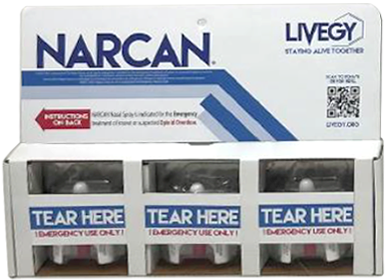
Narcan Dispenser Partnership:
Collaborates with LIVEGY to place NARCAN dispensers throughout schools for easy access in emergencies.
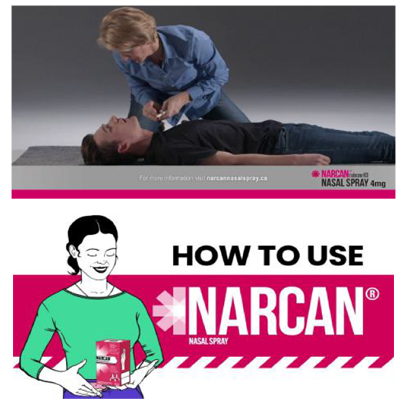
Training and Resources:
Provides training sessions on NARCAN Nasal Spray, including instructions on usage, administration, and disposal.
5. HOW TO GET STARTED
Steps for Program Adoption:
1. Contact TXAF for consultation and program customization
The Tucker Project
2001 Windy Terrace, Suite C
Cedar Park, TX 78613
(555) 555-5555
2. Review available curriculum and materials.
3. Schedule assemblies, training sessions, and Teen Ambassador Program kickoff.
4. Integrate materials into school communications and awareness efforts.